Emile Jean Horace Vernet was born in Paris on June 30, 1789 in the galleries of the Louvre, where his parents were staying during the occupation of the palace at the time of the revolution. The son of Carle Vernet and grandson of Claude Joseph Vernet, he followed in their footsteps in the field of military painting, which became his specialty and in which he proved a brilliant, if superficial, painter.
Respecting the model of nature, Vernet painted the French soldier as he really was, and not in an idealized way. His paintings Le Chien du Régiment, Le cheval de Trumpeter, and La mort de Poniatowski, as well as other works of the same genre, earned him a universal une popularity.
Already a celebrated painter in his own time, he was director of the Académie de France à Rome from 1829 to 1834. In 1839 he took the first daguerreotype of the port of Marseille. In the early 1840s, Vernet made a trip to Egypt in the company of his nephew Frédéric Goupil-Fesquet and Gaspard-Pierre-Gustave Joly de Lotbinière, from which the three brought back the first daguerreotypes of Egypt, which resulted in a book, “les Excursions daguerriennes.”
At the 1855 Universal Exhibition in Paris, he occupied, like Ingres, an entire hall and received the medal of honor, which earned him a leading position among the painters of his time. The English painter Edwin Henry Landseer said of him, “Vernet’s pictures are superior to those of all his rivals because they arise only from himself….” In December 1862, Napoleon III, learning of the artist’s serious illness, wrote to him, “My dear Mr. Horace Vernet, I send you the cross of Grand Officer of the Legion of Honor as to the great painter of a great epoch….”
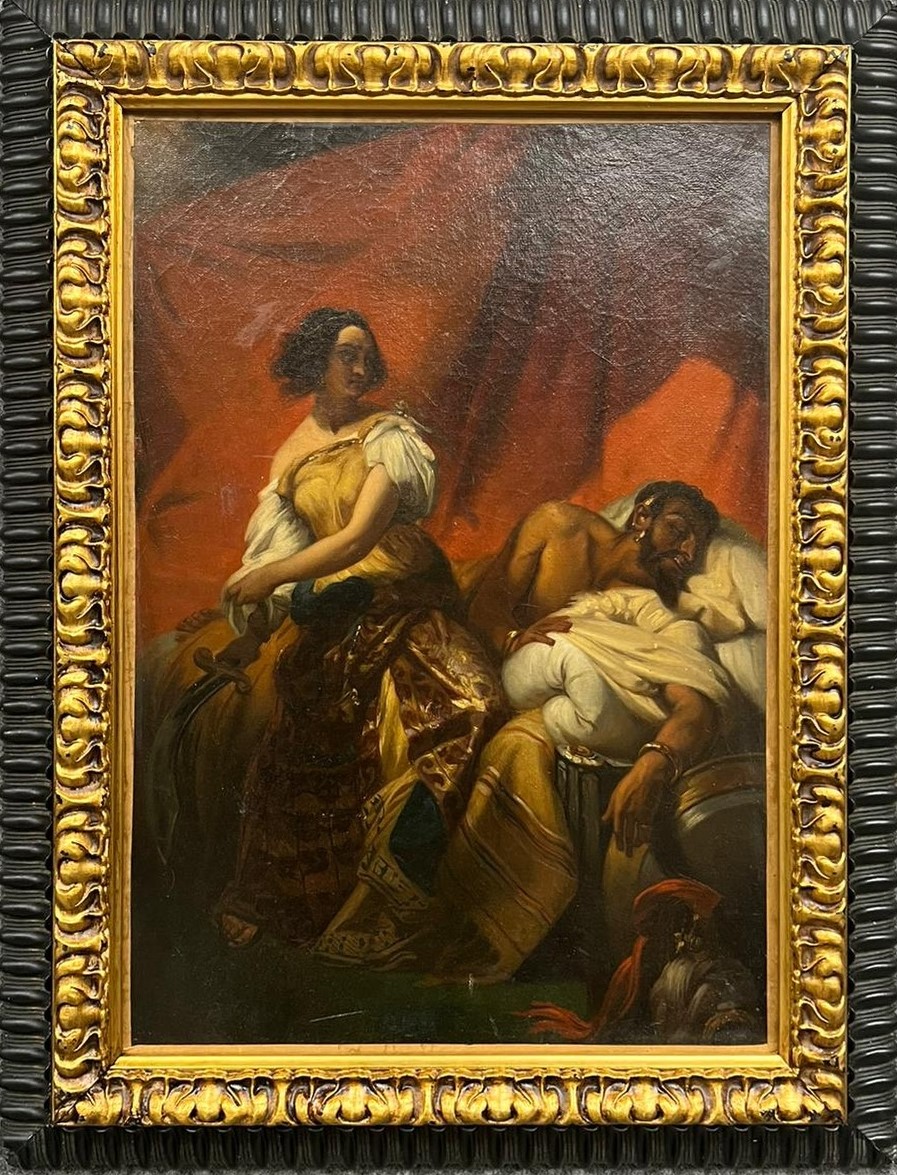
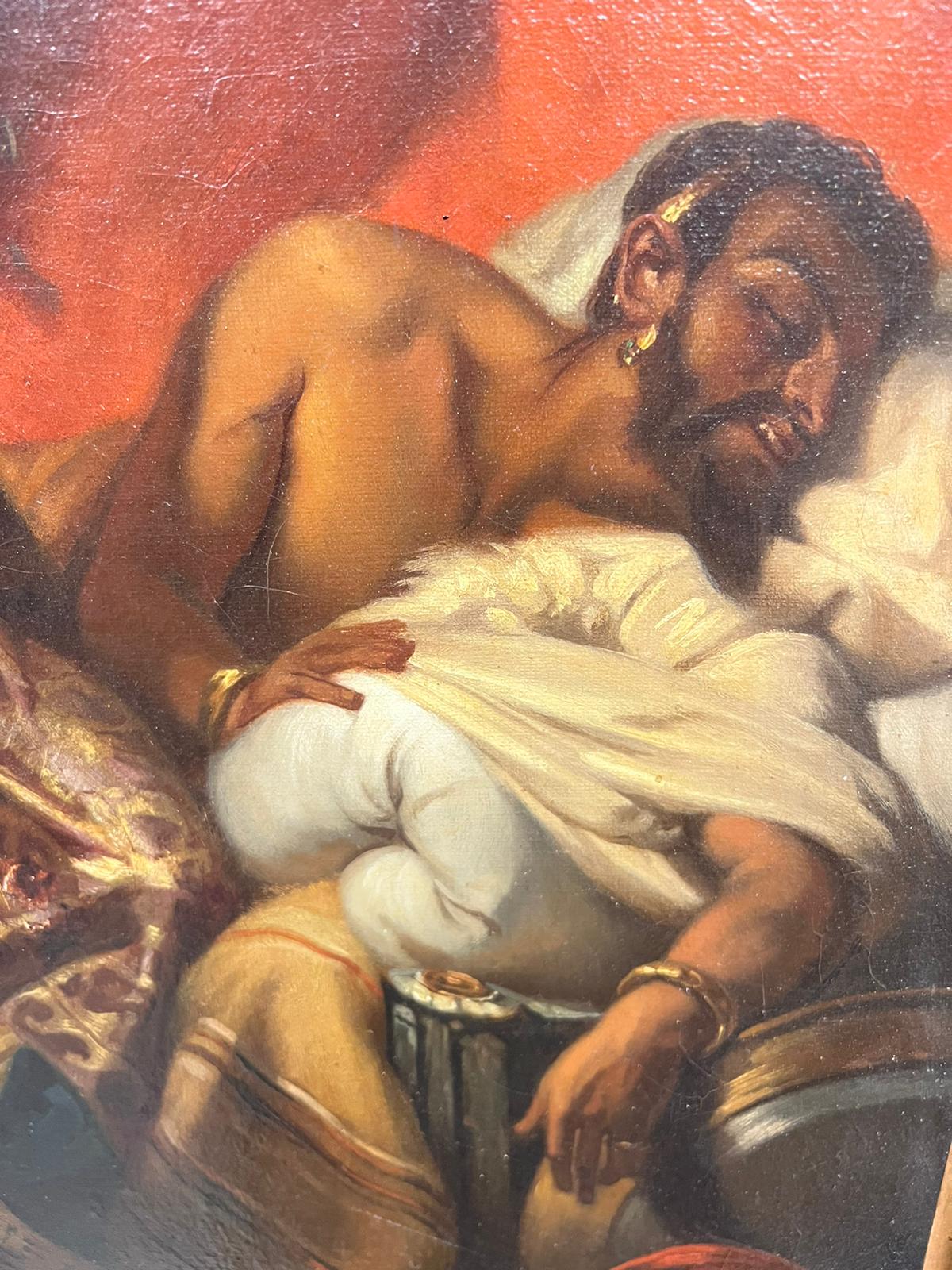
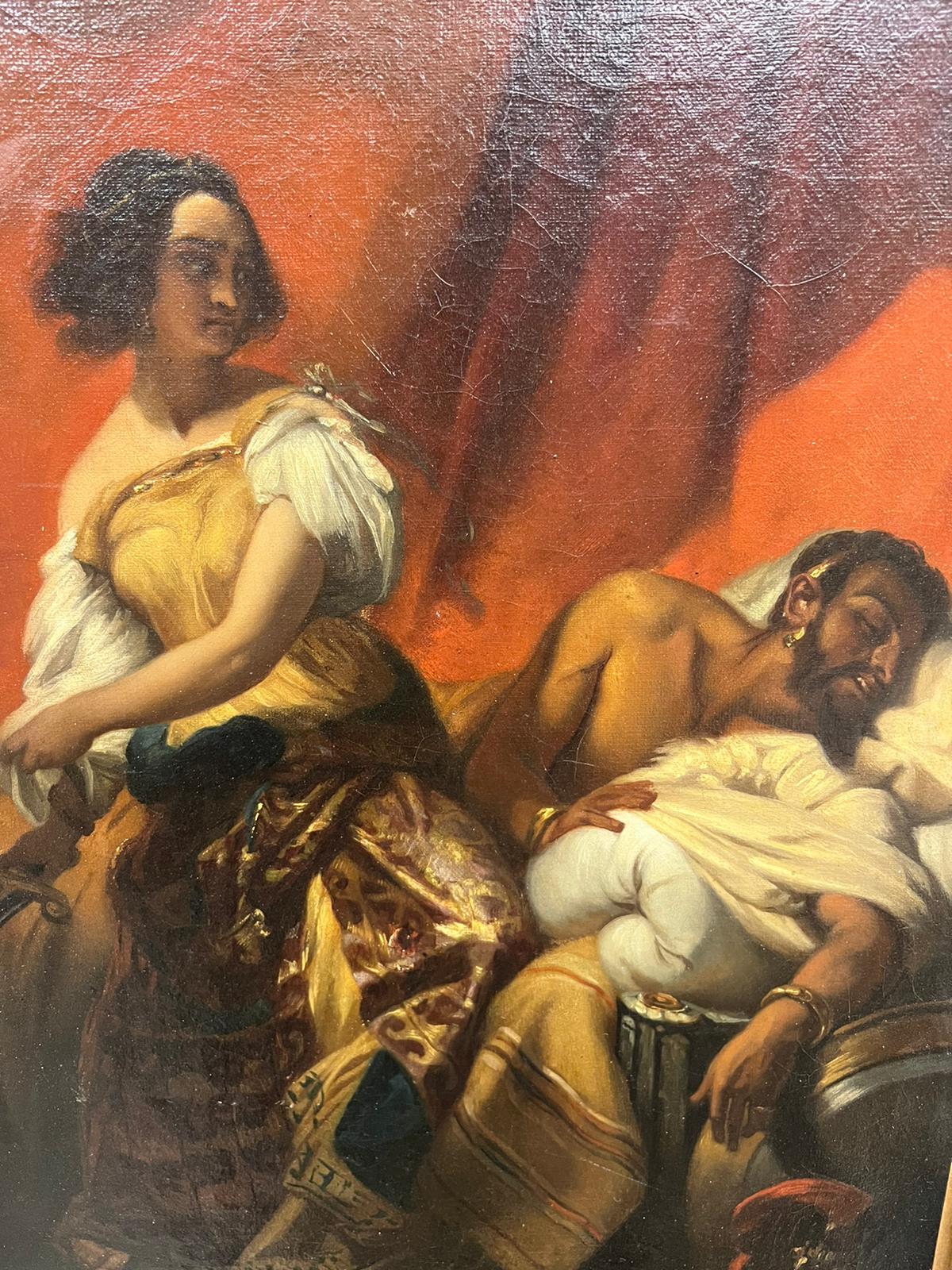
The famous subject of Judith and Holofernes.